Sprunki Phase 3
Reviews
Description
Building Tracks with Character Layers
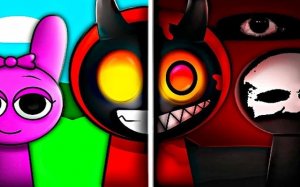
Sprunki Phase 3 uses a drag-and-drop interface where each character represents a distinct sound layer — a beat, melody, or effect. Placing a character on the chorus line at the top of the screen activates that sound within the mix. The challenge lies in selecting combinations that complement each other rather than clash. Because every character contributes a unique audio and visual element, the same lineup can produce very different results depending on placement and pairing.
Dark Atmosphere and Visual Feedback
The game commits fully to a dark, eerie presentation. Characters have their own animations and visual styles that react when added to the mix, giving each combination a distinct look alongside its sound. This thematic consistency sets Sprunki Phase 3 apart from brighter, more conventional music toys — the mood is part of the experience, not just a skin. The absence of violence or inappropriate content means the dark theme remains atmospheric rather than graphic.
Experimentation and Hidden Combinations
There is no fail state and no timer. Players can add, remove, and rearrange characters freely, listening for how layers interact. Certain combinations trigger hidden surprises, which rewards curiosity over caution. Mixing contrasting sounds — a heavy beat against a light melody, for example — often produces more interesting results than stacking similar layers. Returning to a mix later to refine it is a natural part of the process.
Who This Suits
Sprunki Phase 3 fits players who enjoy casual music creation and prefer solo exploration over competitive or timed challenges. The browser format means no downloads or installations. Anyone comfortable with basic drag-and-drop can start immediately, and the lack of objectives beyond personal experimentation makes it well-suited to short, low-pressure sessions.
Compatibility
Faq
Comments
Sign in to comment
You must be logged in before posting a review or rating.
No comments yet. Be the first to comment!






Editorial Notes