Neon Tap Bounce
Reviews
Description
The Tap-to-Stay-Aloft Loop
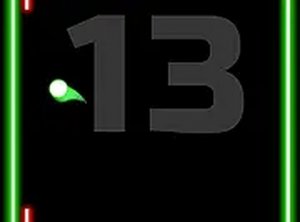
Neon Tap Bounce reduces its entire ruleset to one action: tap or click to push the ball upward. The ball never stops moving, so the real task is reading its arc and tapping at the right moment. Obstacles appear along the walls, which means a tap that worked a second ago may now send the ball straight into a hazard. Success comes from adjusting rhythm rather than tapping faster.
Why Neon Colors Matter Here
Bright neon shapes sit against a dark background, so the ball and every wall obstacle stay visually distinct even when they overlap. That contrast is not just decorative. In a game where a single missed tap ends a run, legibility is a mechanic. The restrained palette also keeps longer sessions comfortable on the eyes, since there is no busy scenery competing for attention.
Difficulty That Scales With Your Score
There are no levels or checkpoints. Each attempt is a continuous run that ends the moment the ball is lost. As your score rises, obstacles appear more often and in denser patterns, so the game asks for sharper timing the longer you survive. New players get a gentle opening; experienced players hit a wall that keeps moving. Because there is no stage select, improvement is measured only against your own previous best.
Controls, Sessions, and Who It Suits
One tap or click is the entire control scheme, and it behaves the same on a touchscreen or with a mouse. There are no menus to configure before play. A run can last seconds or several minutes depending on how long you hold focus, which makes the game easy to fit into short breaks. The pull to replay comes from small, visible gains: a few extra taps, a slightly higher score, a cleaner run.
Compatibility
Faq
Comments
Sign in to comment
You must be logged in before posting a review or rating.
No comments yet. Be the first to comment!









Editorial Notes