Real Estate Mogul Board Game
Reviews
Description
Turn Structure and Property Acquisition
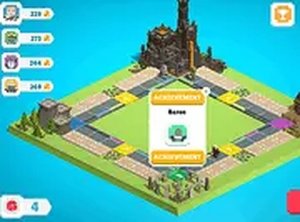
Each turn in Real Estate Mogul Board Game starts with a dice roll that moves your token across the board. When you land on an unowned property, you can buy it using your in-game funds. Once owned, that property generates income whenever another player lands on it. This creates a direct link between board position and cash flow. The core loop of rolling, moving, and deciding whether to purchase forms the foundation of every session. Careful observation of the board state and thoughtful spending choices are rewarded throughout.
Developing Properties for Higher Returns
After acquiring a property, you can construct improvements to increase its value. Building on your land raises the amount you collect from opponents who land there. This adds a strategic layer: you must decide which properties to develop and when to invest. Early development can provide steady cash flow, but overspending may leave you vulnerable if you land on a heavily developed property owned by another player. Balancing your portfolio across different areas of the board is key to long-term success.
Special Event Cards and Adaptability
Throughout the game, players may draw cards that introduce unexpected twists. These cards can grant bonuses like extra funds or free movement, or impose costs such as fees or setbacks. Such events add variety and prevent any single strategy from dominating. They also require players to adapt their plans on the fly, keeping each session fresh and unpredictable. The element of chance ensures that even players who fall behind can find opportunities to recover.
Visual Design and Interface
The board is presented in a bright, colorful style that makes it easy to distinguish different properties and spaces. Icons and text are clearly labeled, and the interface responds quickly to mouse clicks. A full screen mode is available for those who prefer a more immersive view. The overall design prioritizes clarity and accessibility, so players of all ages can jump in without confusion. Visual feedback for purchases, rent collection, and card draws is immediate and satisfying.
Session Length and Replayability
A typical game session can last anywhere from 20 to 45 minutes, depending on the number of players and their decision speed. Because the board layout and card draws change each time, no two games play out exactly the same. This variability encourages repeated play, as players can experiment with different approaches to property acquisition and development. The game is well-suited for both quick matches and longer, more deliberate sessions.
Compatibility
Faq
Comments
Sign in to comment
You must be logged in before posting a review or rating.
No comments yet. Be the first to comment!









Editorial Notes