← Back to Games
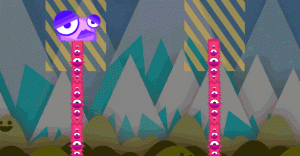
Balance Stack Puzzle
Developer: Sand Nova Digital
Published: 2026-10-01
Updated: 2026-10-01
Loading Game Image...
Reviews
Balance Stack Puzzle strips away timers and scores to focus on one clear task: move figures onto a central tower without letting it fall. The gradual introduction of larger figures and tighter placement space keeps later stages challenging without becoming frustrating. Bright visuals and simple controls make it approachable for all ages. Its main limitation is that the input does not describe additional modes or features beyond the core stacking loop, so players seeking variety may find it narrow.
Description
Placing Figures on a Growing Tower
Balance Stack Puzzle is a physics-based stacking game. Small figures begin in shaded positions around the play area, and your job is to move each one onto a central tower that grows as you add pieces. The structure must stay upright after every placement. There are no timers, scores, or countdowns, so you can take as long as you need to study the layout before acting. The challenge comes from how weight and shape interact: a figure that seems easy to place early can become a problem later if it shifts the tower's center of gravity. Because nothing forces you to rush, the game rewards observation over reflexes.How Later Stages Change the Puzzle
Early levels use simple arrangements that help you understand the basic rule: keep the tower standing. As you progress, the game alters figure sizes and reduces the space available for placement, which makes each decision more consequential. You cannot rely on a single stacking pattern because the shapes and gaps change from stage to stage. The difficulty rises gradually, so the experience stays engaging without becoming frustrating. Each new layout asks you to reassess where to put the next figure rather than repeating a memorized solution.Reading Weight and Shape Before You Place
Planning matters more than speed. A wide base often leads to a more stable tower, but the shape of each figure affects how it fits with the ones already placed. You may need to experiment with different sequences to find an arrangement that holds. The game gives subtle animations when figures are placed, which serve as feedback for whether the tower is settling or shifting. That feedback, combined with the lack of time pressure, encourages a methodical approach: look at the remaining figures, consider the current tower's balance, and choose the next piece accordingly.A Calm Visual Style That Supports Focus
Bright, cheerful colors and simple, friendly figure designs keep the atmosphere welcoming. The interface is clean and minimizes distractions, so your attention stays on the stacking task rather than on menus or counters. The overall aesthetic matches the relaxed pace of the gameplay. Because there is no clock running, the visual style reinforces the idea that this is a game about patience and problem-solving, not about beating a timer. It is designed to be approachable for players of all ages, with controls that typically involve simple clicks or drags.✅ Compatibility & Testing
• Desktop (Windows 11, macOS Ventura)
• Mobile (iPhone 14, Samsung Galaxy S23)
• Tablet (iPad Pro, Android tablet)
✅Supported browsers: Chrome, Safari, Edge, Firefox (latest versions)
❌ Not supported: Internet Explorer, older browser versions
Faq
Does Balance Stack Puzzle have a time limit or score?
No. The game deliberately omits timers and scores. You can study each figure and the tower for as long as you like before placing anything. That design choice shifts the challenge entirely to planning and observation, making it suitable for short breaks or longer, unhurried sessions.
What happens if the tower falls over in Balance Stack Puzzle?
The input does not specify a failure state, but the core rule is that the entire structure must remain upright. If a placement destabilizes the tower, the logical consequence is that you must rethink the order or position of your figures. The game provides subtle animations when figures are placed, which can help you judge whether the tower is settling safely.
Are the levels in Balance Stack Puzzle randomly generated?
The source material describes changing arrangements of figures and obstacles as players advance, with early stages introducing simple layouts and later stages altering figure sizes and available space. It does not state whether layouts are randomized or fixed. What is clear is that each stage presents a fresh puzzle requiring careful observation before acting.
What kind of controls does Balance Stack Puzzle use?
Controls are described as intuitive, typically involving simple clicks or drags. You select a figure from its shaded starting position and move it onto the central tower. There are no complex button combinations or timed inputs, which keeps the game accessible to players of all ages and experience levels.
Is Balance Stack Puzzle suitable for children?
Yes, based on its design. The game uses bright, cheerful colors and simple, friendly figure designs. It has no time pressure, no scores to chase, and controls that involve basic clicks or drags. The focus on problem-solving and patience makes it appropriate for children and adults alike, though the input does not state a specific age rating.
What is the main skill needed to play Balance Stack Puzzle?
Planning and spatial reasoning. You must consider the order in which you place figures, how each shape fits with others, and how weight distribution affects the tower's stability. A wide base often helps, but the changing sizes and limited space in later stages mean you cannot rely on one strategy. Experimenting with sequences is part of the process.
Comments
Sign in to comment
You must be logged in before posting a review or rating.
No comments yet. Be the first to comment!










Editorial Notes